How to Tell If Your Garage Door Spring Is Broken (Safe Signs + What NOT to Do)
How to Tell If Your Garage Door Spring Is Broken: A broken garage door spring is one of the most common reasons a garage door suddenly won’t open—or only opens a few inches and stops. It’s also one of the most dangerous problems to DIY. Springs are under extreme tension, and the wrong move can cause serious injury.
The good news is you can often confirm a broken spring using safe, visual clues and a simple “door weight” test—without touching spring hardware.
Safety warning: Do not attempt to tighten, unwind, or replace garage door springs yourself unless you are trained and have the proper tools. If you suspect a broken spring, the safest next step is calling a garage door professional.
Quick answer: the clearest signs of a broken spring
In many homes, a broken spring shows up as one (or several) of these symptoms: the door suddenly feels very heavy, the opener strains or hums, the door only lifts a few inches, or you can see a gap in a torsion spring above the door.
First, understand what the spring does (why the door suddenly feels “too heavy”)
Garage door springs do the heavy lifting. The opener is not meant to lift the full weight of the door by itself. When a spring breaks, the opener may still try—but it often can’t lift the door safely or consistently.
That’s why a spring problem often looks like an opener problem at first.
Safe signs your garage door spring is broken
1) You heard a loud bang (often like a firecracker)
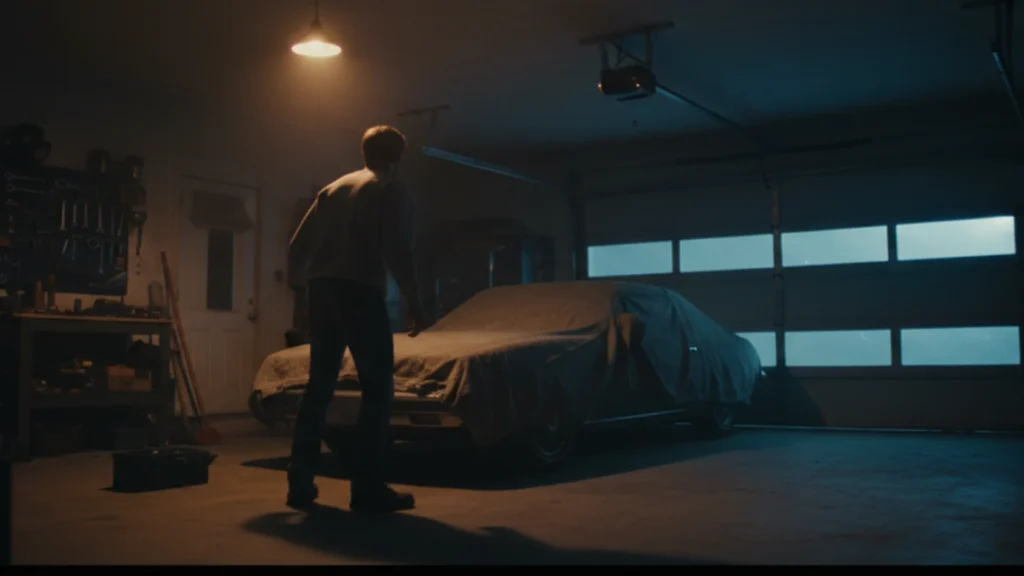
Many people report hearing a sudden loud snap from the garage, then the next time they try the door it won’t open. That sound is frequently the spring breaking.
You won’t always hear it, but if you did, it’s a strong clue.
2) The door opens a few inches, then stops (or reverses)
This symptom is extremely common. The opener starts lifting, the door moves slightly, then the opener stops because the door is too heavy.
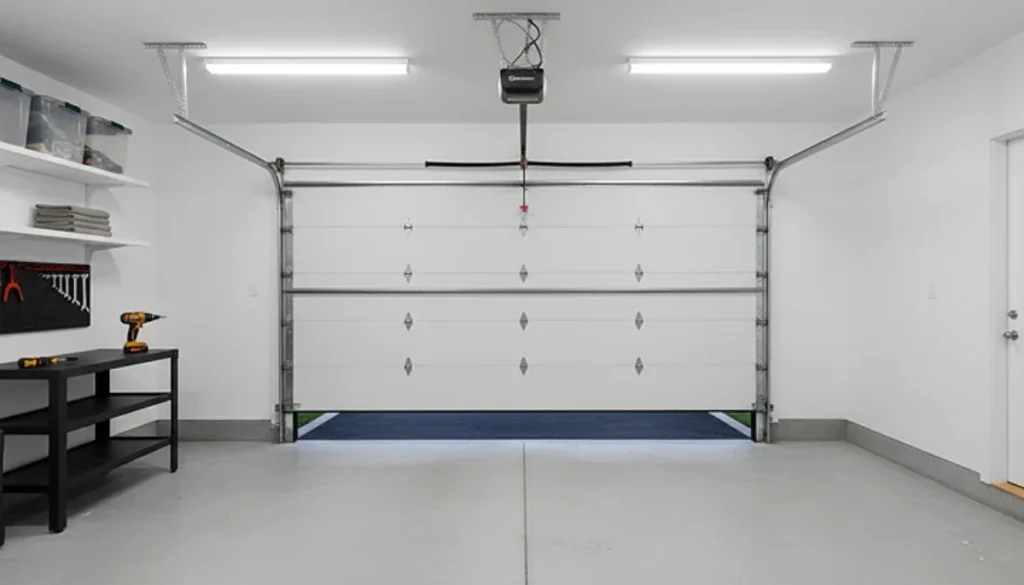
If you’ve seen this behavior, your related post fits well:
- Garage Door Opens a Few Inches Then Stops (internal link)
3) The garage door feels unusually heavy (manual lift test)
This is the most reliable “homeowner test,” but only do it carefully.
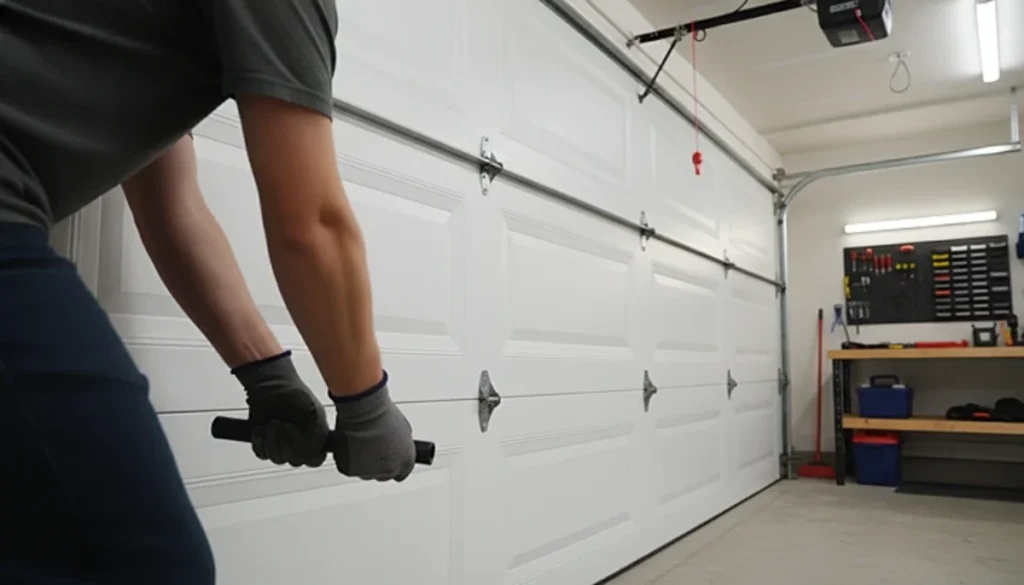
If you disengage the opener (emergency release) and the door feels dramatically heavier than normal—or you can barely lift it—stop. A heavy door strongly suggests a spring issue.
Don’t force the door up. A heavy door can fall quickly and cause injury or damage.
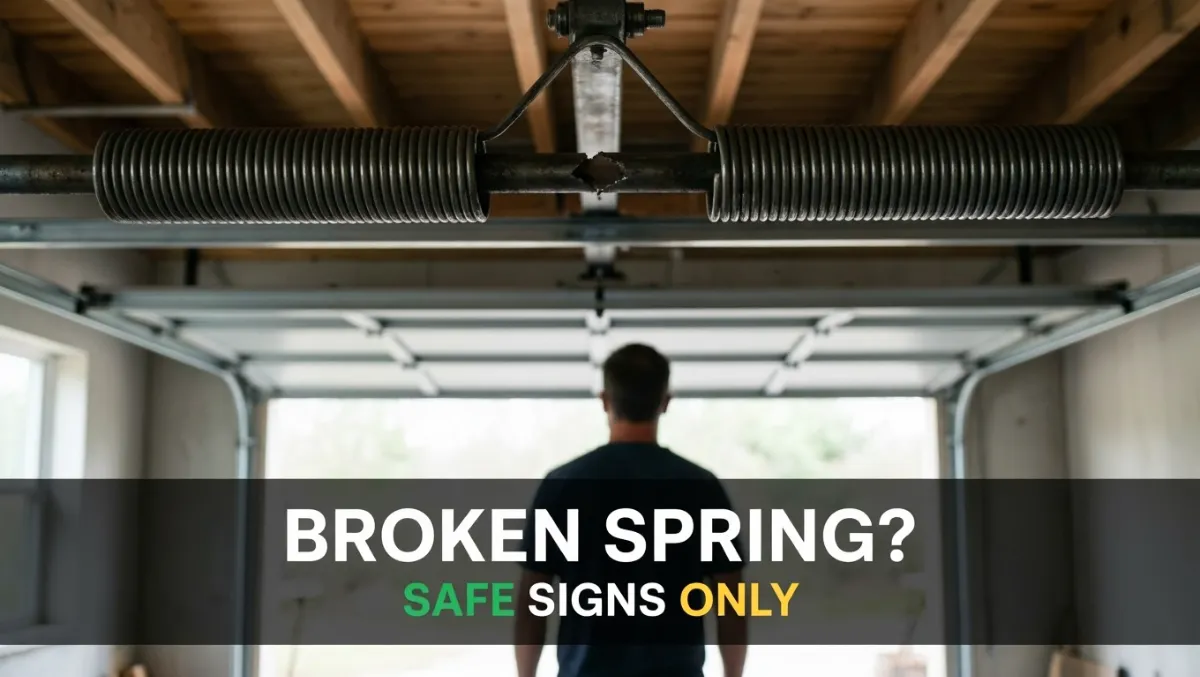
4) You can see a gap in the torsion spring (above the door)
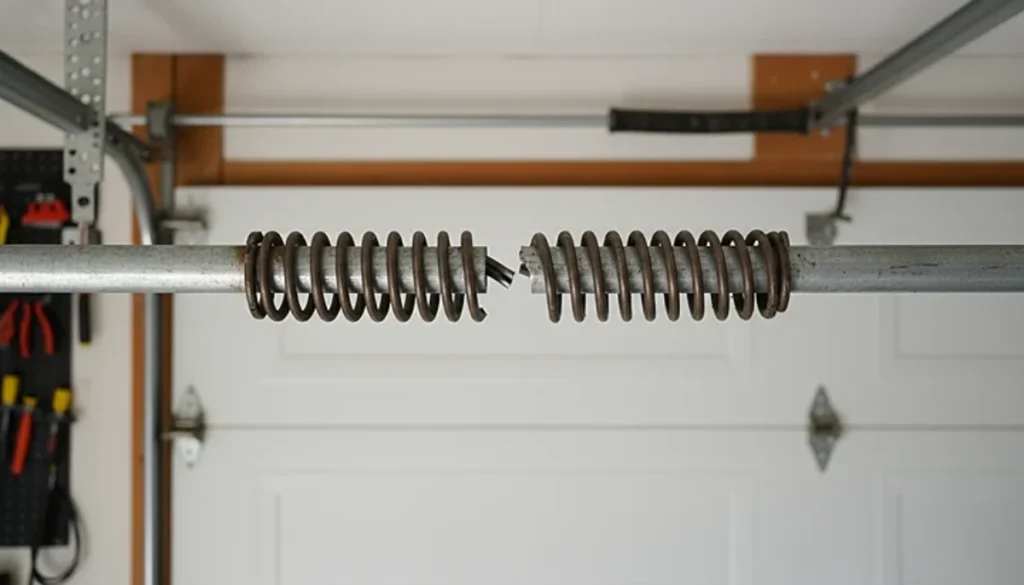
If you have a torsion spring system, the spring sits above the garage door on a metal shaft. When it breaks, you can often see a clear separation—typically a gap of an inch or more.
This is a visual check only. Don’t touch the spring or the shaft.
5) The door looks crooked or uneven when it moves
If one side lifts more than the other, or the door looks uneven, it can happen when one spring in a two-spring setup breaks. The door may bind and look “twisted.”
This is not something to “power through.” It’s a reason to stop using the opener and call a pro.
6) Cables look loose near the sides (do not touch)
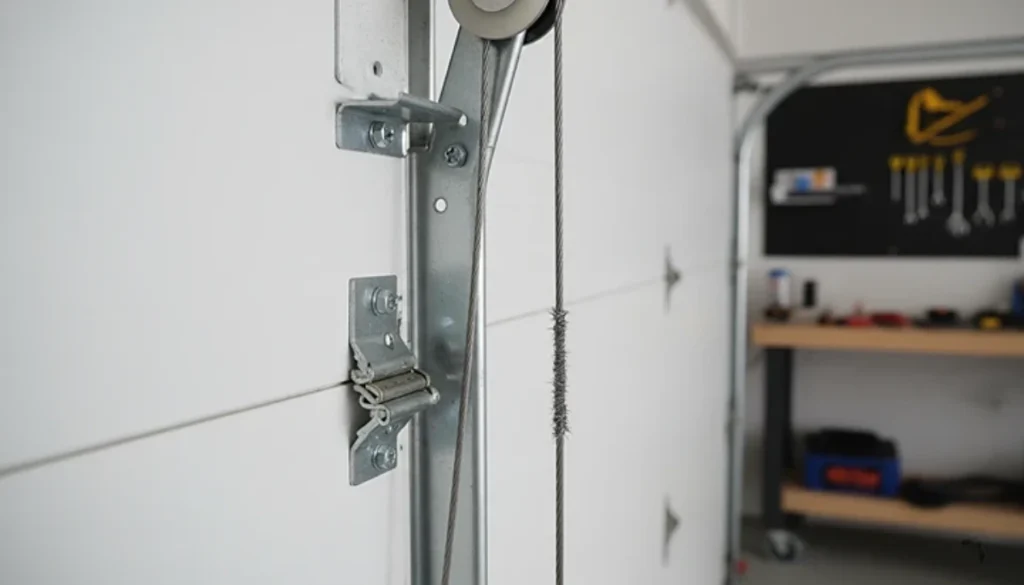
When a spring breaks, the cable drums and lift cables can lose proper tension. You may see slack or messy cable wrap near the side drums.
Important: cables can be dangerous too. Don’t pull on them—treat this as a “stop and call” sign.
Torsion vs extension springs (why your setup matters)
Some garages use torsion springs above the door. Others use extension springs along the tracks.
With extension springs, a break may be less obvious at first glance, but you’ll still see the same functional signs: heavy door, limited lift, opener strain, or uneven movement. If you’re not sure what you have, that’s fine—you can still rely on the safe symptoms above.
What NOT to do (seriously)
If you suspect a broken spring, avoid these common mistakes:
Don’t keep pressing the remote repeatedly. That can burn out the opener or strip gears because it’s trying to lift a door that’s too heavy.
Don’t try to “help lift” the door while the opener is running. The door can jerk, bind, or slip.
Don’t loosen or tighten bolts on spring hardware. People get hurt doing this.
Don’t attempt a spring replacement without training and correct winding bars/tools. This is one of the most dangerous DIY garage tasks.
What you CAN do safely
If you need access and the door is closed, you can do basic safe actions:
If you must open the door manually, do it only with help and extreme caution, and only if the door can be lifted smoothly without forcing it. If it feels heavy or unstable, stop.
If the door is stuck open, consider securing the area and calling a technician ASAP. A broken spring with an open door can be a security risk.
When to call a professional (recommended)
Call a garage door technician if you notice any of these:
- door is heavy by hand
- door opens only a few inches then stops
- visible gap in torsion spring
- uneven/crooked door movement
- loose cables at the sides
- opener hums/clicks/strains without lifting
Spring repair is usually a standard job for a garage door pro and is safer and faster than trial-and-error.
FAQs
How do I know for sure if my spring is broken?
The best safe confirmation is a combination of symptoms: heavy door + door won’t lift/only lifts a little + visible gap (torsion system). If you’re unsure, treat it as a spring issue and call a pro.
Can I open the garage door with a broken spring?
Sometimes you can, but it can be dangerous because the door is heavy and can fall. Avoid doing it alone. If it’s heavy, don’t force it.
Will a broken spring damage my opener?
It can. Repeatedly trying to run the opener against a heavy door can burn the motor or strip gears. It’s best to stop using the opener until the spring is repaired.
Related Posts: