Garage Door Opens Slowly in Cold Weather: Causes and Safe Fixes
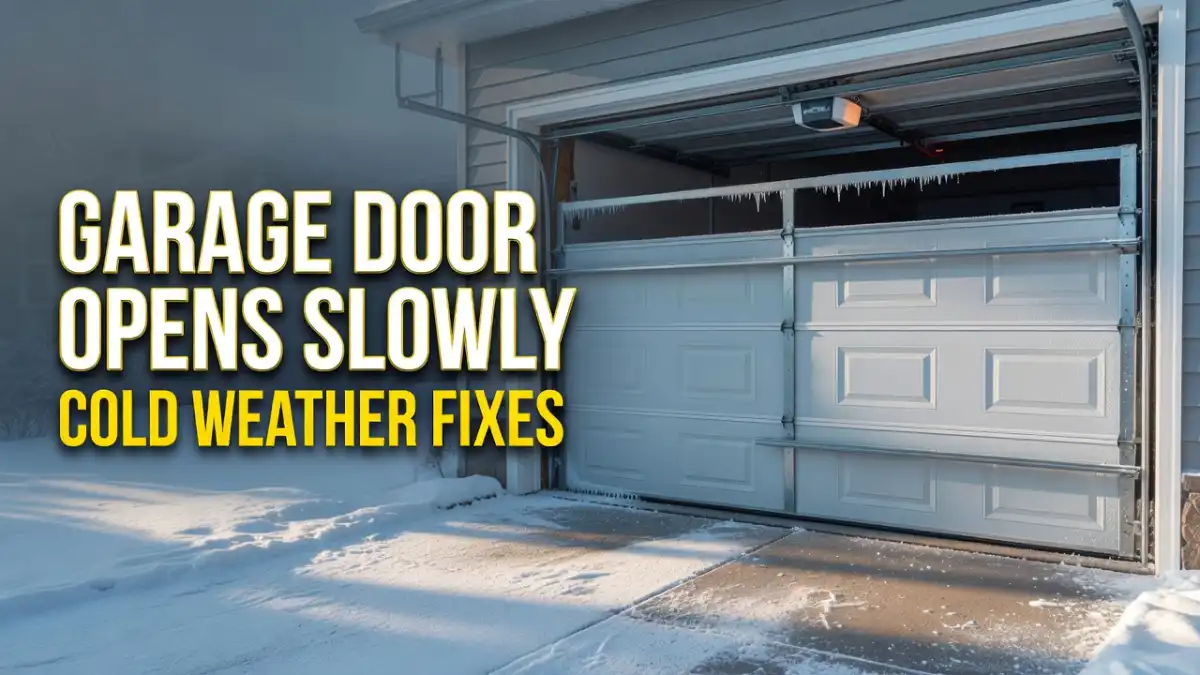
Does your garage door open normally during warmer months but move much more slowly when temperatures drop? Cold weather can affect garage door components, increase friction, and make an opener work harder than usual.
A slow-moving garage door should not automatically be blamed on the opener. The problem may come from thickened lubricant, stiff weatherstripping, dirty tracks, worn rollers, or an underlying mechanical issue.
In this guide, you’ll learn why a garage door opens slowly in cold weather, which checks you can safely perform, and when professional repair is necessary.
Why Does a Garage Door Open Slowly in Cold Weather?
Cold temperatures can change how different garage door components operate. Metal parts contract slightly, some lubricants become thicker, and rubber seals can become stiff.
When these changes increase resistance, the opener may take longer to move the door.
Here are the most common reasons.
1. Thick or Unsuitable Garage Door Lubricant
One common reason for slow garage door movement is lubricant that becomes too thick in cold temperatures.
Some household oils and general-purpose lubricants are not designed for garage door hardware. They may attract dust or become less suitable when temperatures change.
What you can do:
- Check the manufacturer’s maintenance recommendations.
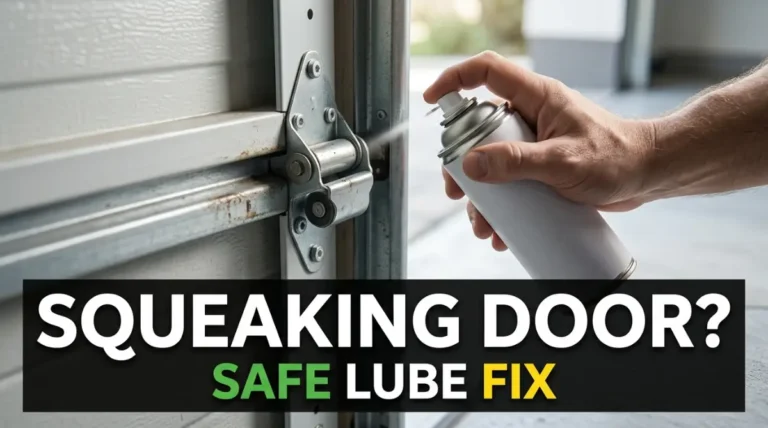
- Use a garage door lubricant suitable for your door and local temperatures.
- Lubricate only the components identified in the owner’s manual, such as hinges, rollers, and bearings where applicable.
- Wipe away excess lubricant.
Avoid applying lubricant to the tracks unless the manufacturer specifically recommends it. Tracks should generally remain clean rather than oily.
2. Stiff or Frozen Bottom Weatherstripping
The rubber seal along the bottom of the garage door helps keep out rain, dust, wind, and cold air.
During freezing weather, this seal can become stiff. If moisture collects underneath it and freezes, the door may stick to the garage floor.
This can make the opener struggle when starting the opening cycle.
What you can do:
- Look at the bottom seal when the door is fully closed.
- Check whether ice or debris is holding the seal against the floor.
- Remove loose snow and debris around the opening.
- Allow frozen moisture to thaw naturally.
Do not force the door open if it appears frozen to the floor. Avoid pouring boiling water around the seal because it can create additional ice or damage some materials.
3. Dirty or Obstructed Garage Door Tracks
Garage door tracks guide the rollers as the door moves. Dirt, debris, and other obstructions can interfere with smooth movement.
Cold weather may make an existing track problem more noticeable.
What you can do:
- Visually inspect both vertical and horizontal tracks.
- Look for dirt, leaves, loose objects, or visible damage.
- Clean accessible track surfaces with a suitable cloth.
- Check for obvious bends or gaps without attempting to reshape the tracks.
Never loosen track brackets or adjust track alignment yourself. Incorrect track positioning can make the door unsafe.
4. Worn Rollers or Hinges
Rollers and hinges experience repeated movement every time the garage door opens and closes.
If rollers are worn, damaged, or not moving smoothly, the door may become noisy or slow. Cold temperatures can make an existing problem more noticeable.
Look for:
- Cracked or damaged roller wheels.
- Unusual grinding or scraping sounds.
- Visible rust or corrosion.
- Jerky movement as the door travels.
If a roller appears damaged or the door moves unevenly, arrange a professional inspection rather than trying to remove the roller yourself.
5. Weak Garage Door Opener or Motor Problems
Sometimes the garage door itself moves freely, but the opener struggles to operate it.
An aging motor, worn internal components, electrical problems, or an opener that is not suitable for the door can cause slow operation.
Cold weather may expose a problem that was already developing.
Check the following:
- Does the opener make an unusual humming sound?
- Does the motor sound strained?
- Does the door move slowly in both directions?
- Does the opener stop unexpectedly?
If the opener repeatedly struggles, stop operating it and have the system inspected. Repeatedly running an overloaded opener can cause further damage.
6. Garage Door Spring Problems
Garage door springs help counterbalance the weight of the door. If a spring is damaged, worn, or losing tension, the opener may struggle to lift the door.
Warning signs include:
- The door feels unusually heavy.
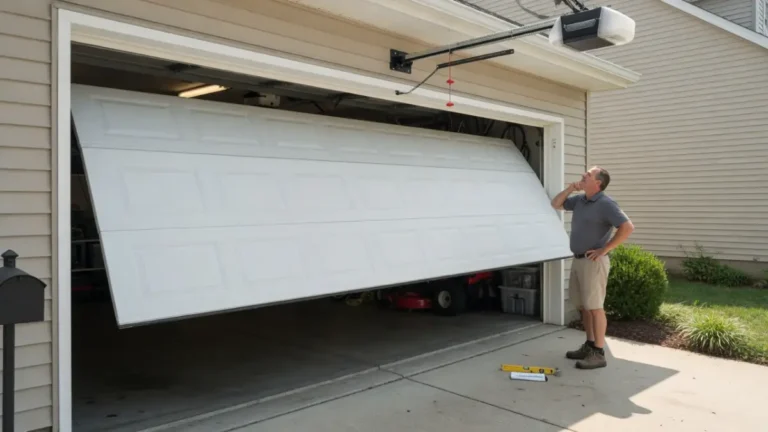
- The door rises unevenly.
- A visible spring has a gap or break.
- The opener strains or stops during opening.
A broken or weakened spring is not a DIY adjustment. Garage door springs are under significant tension and can cause serious injuries. Contact a qualified garage door technician.
Safe Troubleshooting Checklist
Before assuming that your opener needs replacement, perform these basic visual checks.
| What to Check | What to Look For |
|---|---|
| Bottom weather seal | Ice, stiffness, or sticking |
| Garage door tracks | Dirt, debris, or visible damage |
| Rollers | Cracks, wear, or unusual movement |
| Hinges | Visible damage or loose hardware |
| Opener | Unusual noise or repeated stopping |
| Springs and cables | Visible damage or signs of breakage |
Do not put your hands near moving parts or attempt to adjust springs, cables, or track brackets.
If the manufacturer permits a manual balance check, follow its exact instructions. Stop immediately if the door feels heavy, moves unevenly, or does not stay in the position specified by the manufacturer.
How to Prevent Slow Garage Door Movement in Winter
A little seasonal maintenance can help reduce cold-weather problems.
Clean the Garage Door Area
Remove leaves, dirt, snow, and debris from around the garage door opening. Keep the floor near the bottom seal clear.
Inspect the Weatherstripping
Look for cracked, hardened, or damaged rubber seals. Replace worn weatherstripping according to the door manufacturer’s instructions.
Use Suitable Lubricant
Use a garage door lubricant recommended for your opener and door hardware. Avoid ordinary household grease unless the manufacturer specifically recommends it.
Schedule Regular Inspections
Have the springs, cables, rollers, tracks, and opener checked periodically by a qualified technician.
Avoid Repeatedly Operating a Struggling Door
If the door moves unusually slowly, makes new noises, or stops during travel, do not keep pressing the remote to force it through the cycle.
When Should You Call a Garage Door Technician?
Some issues can be identified through basic visual checks, but others require professional repair.
Contact a technician if:
- Your garage door is extremely heavy.
- The door opens unevenly or gets stuck.
- You notice a broken spring or damaged cable.
- The opener repeatedly strains or stops.
- The tracks appear bent or out of alignment.
- The door makes loud grinding or scraping noises.
- The problem continues after basic cleaning and approved maintenance.
Do not attempt to repair high-tension springs, cables, or other dangerous components yourself.
Frequently Asked Questions
1. Why does my garage door open slowly only in winter?
Cold temperatures can make some lubricants thicker, rubber seals stiffer, and existing mechanical problems more noticeable. These changes can increase resistance during operation.
2. Can cold weather damage a garage door opener?
Cold weather does not automatically damage an opener, but it can expose existing problems. Increased resistance from the door or its hardware may cause the opener to work harder.
3. Should I lubricate garage door tracks in winter?
Generally, no. Tracks should usually be kept clean and free of excess lubricant. Follow your garage door manufacturer’s maintenance instructions.
4. Why does my garage door make noise when opening in cold weather?
Cold temperatures can make existing roller, hinge, bearing, or lubrication problems more noticeable. New grinding or scraping sounds should be inspected rather than ignored.
5. Should I replace my garage door opener if it moves slowly?
Not necessarily. The cause may be the door hardware, weatherstripping, tracks, or springs rather than the opener itself. Identify the underlying problem before considering replacement.
Final Thoughts
A garage door that opens slowly in cold weather may have a simple maintenance issue, but it can also indicate a more serious mechanical problem.
Start with safe visual checks of the weatherstripping, tracks, and accessible hardware. Follow the manufacturer’s maintenance recommendations, and never adjust springs or cables yourself.
If the door feels heavy, moves unevenly, or causes the opener to strain, stop using it and arrange a professional inspection. Fixing the underlying issue is safer than forcing the door to operate.