Garage Door Sensor Sunlight vs Headlight Glare: How to Tell the Difference (and Fix It)
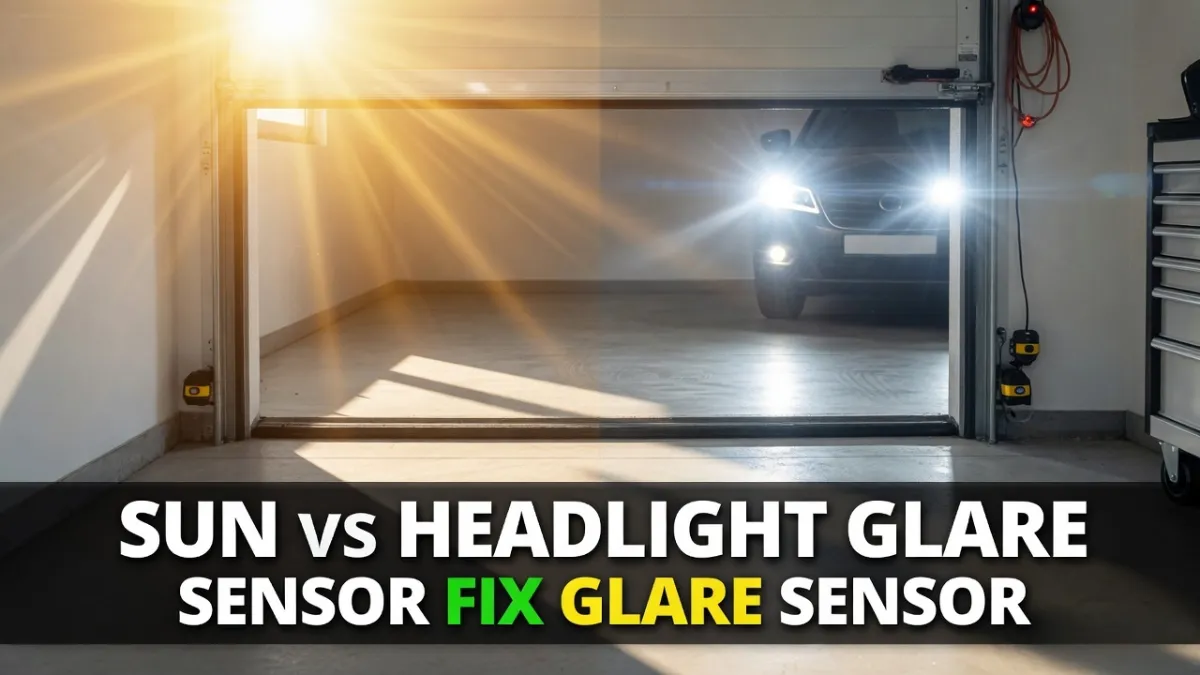
If your garage door won’t close only at certain times, safety sensors are often the reason—but the real trigger may not be misalignment. Bright light can confuse the receiver sensor and make the opener think the beam is blocked. During the day that light is usually the sun. At night, it’s often your car headlights (or a bright outdoor floodlight).
This post shows you how to tell which type of glare is causing your problem and what fixes actually work.
Safety note: This is safe sensor troubleshooting only. Do not bypass safety sensors permanently. If you’re unsure, call a professional.
Quick answer: the easiest way to tell
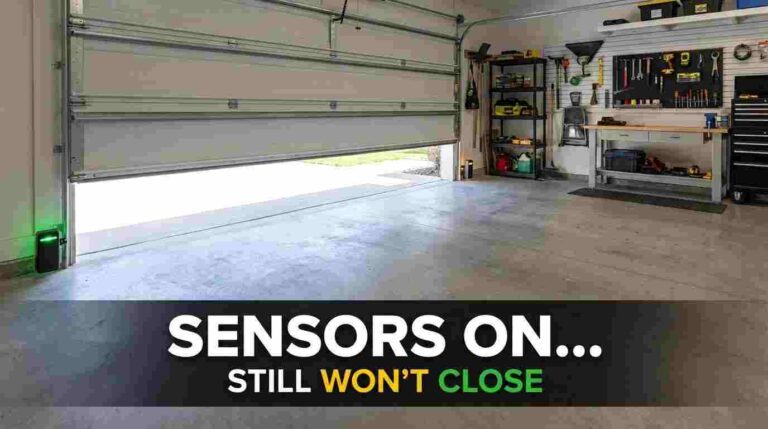
If the problem happens in the afternoon when sunlight hits the garage opening, it’s likely sun glare. If it happens at night when you pull in with your headlights aimed at the door, it’s likely headlight glare. Both can cause the same symptoms: the door starts closing, then reverses; or the opener light flashes and the door won’t close.
The fixes are similar, but your “best fix” depends on when the glare happens and where it hits.
Why bright light affects safety sensors (simple explanation)
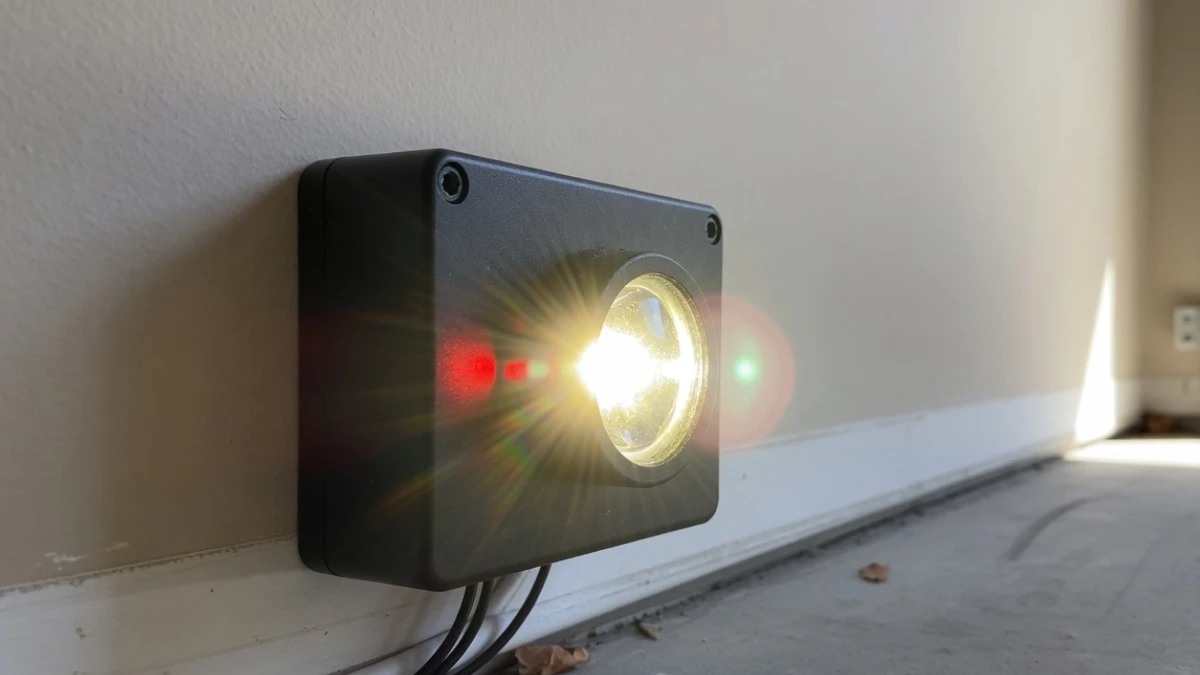
Safety sensors use an invisible beam. The receiver is tuned to detect that beam, but very bright light can overwhelm it—like trying to see a flashlight beam in direct sunshine. When the receiver can’t “see” the beam clearly, it acts as if something is in the way and the opener refuses to close normally.
This isn’t rare. It’s extremely common in west-facing garages and garages with strong exterior lights.
Step 1: Confirm it’s a glare problem (not a Fsunwiring/alignment problem)
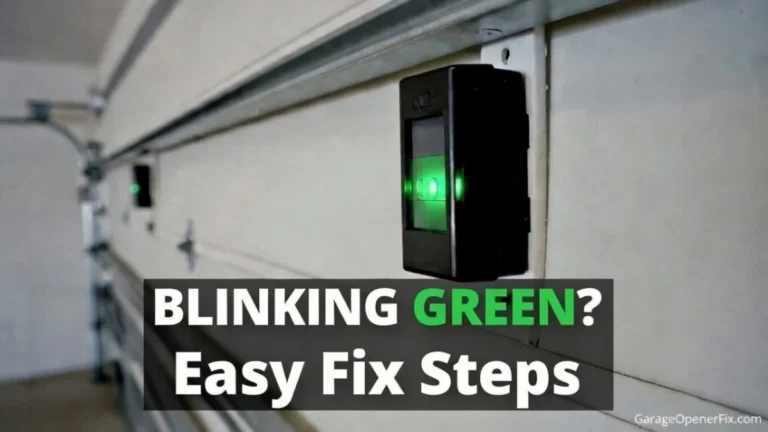
Before you assume glare, look at the sensor lights.
If a sensor light is off or flickering even when the garage is dark and calm, wiring or bracket looseness may be the real issue. But if the lights are steady most of the time and the failure happens only during bright-light conditions, glare is the more likely cause.
A fast clue is consistency: glare problems follow a predictable timing (afternoon hours or when headlights are on).
Step 2: Glare pattern test (two quick tests)
Here are two simple tests that don’t require tools.
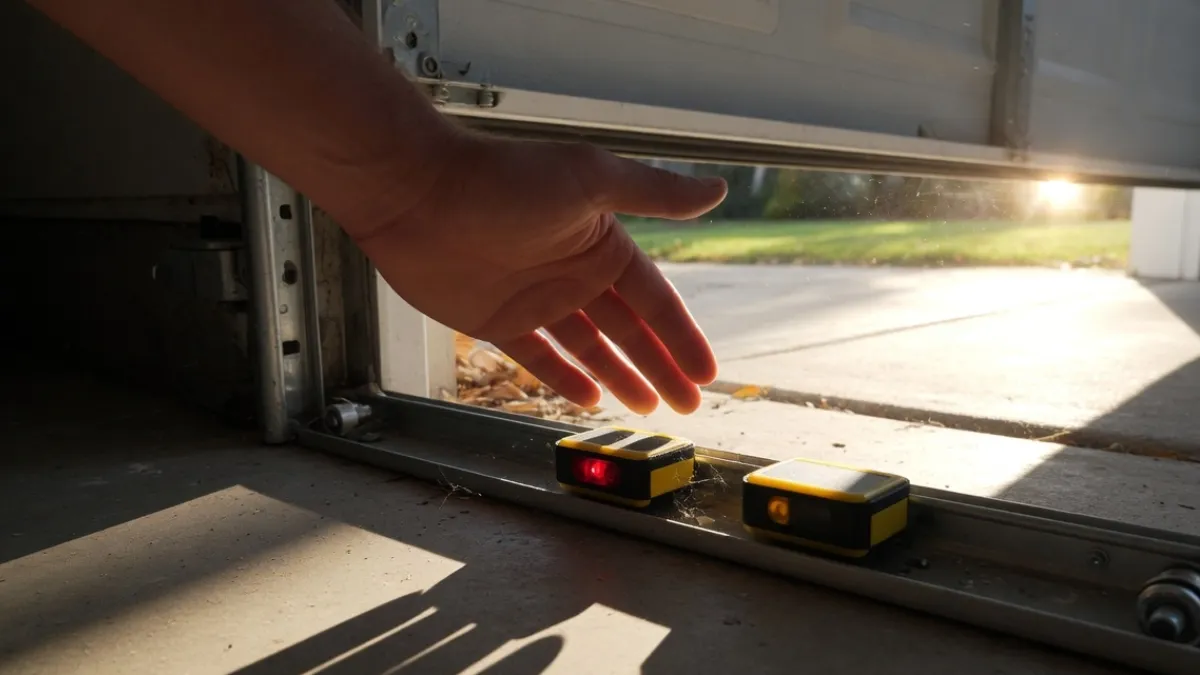
Sunlight test
When the problem happens, shade the receiver sensor with your hand (don’t touch the lens) and try closing the door again. If it closes immediately once shaded, glare is confirmed.
Headlight test
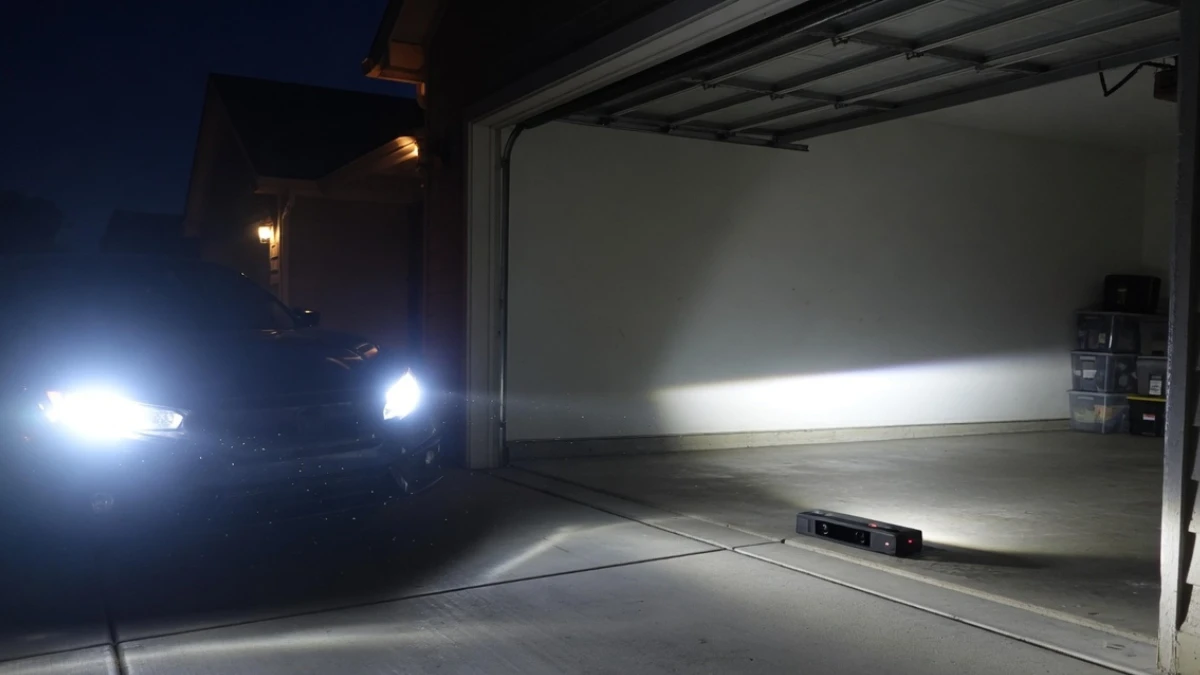
At night, if the door won’t close, turn your headlights off or angle the car slightly so the beams are not pointing directly at the sensor path. Then try closing again. If it suddenly works, headlight glare is confirmed.
These tests save you from re-aligning sensors unnecessarily.
Step 3: Fix option #1 — add a small visor/shade (most effective)
A visor is the most reliable “set it and forget it” fix for both sun glare and headlight glare.
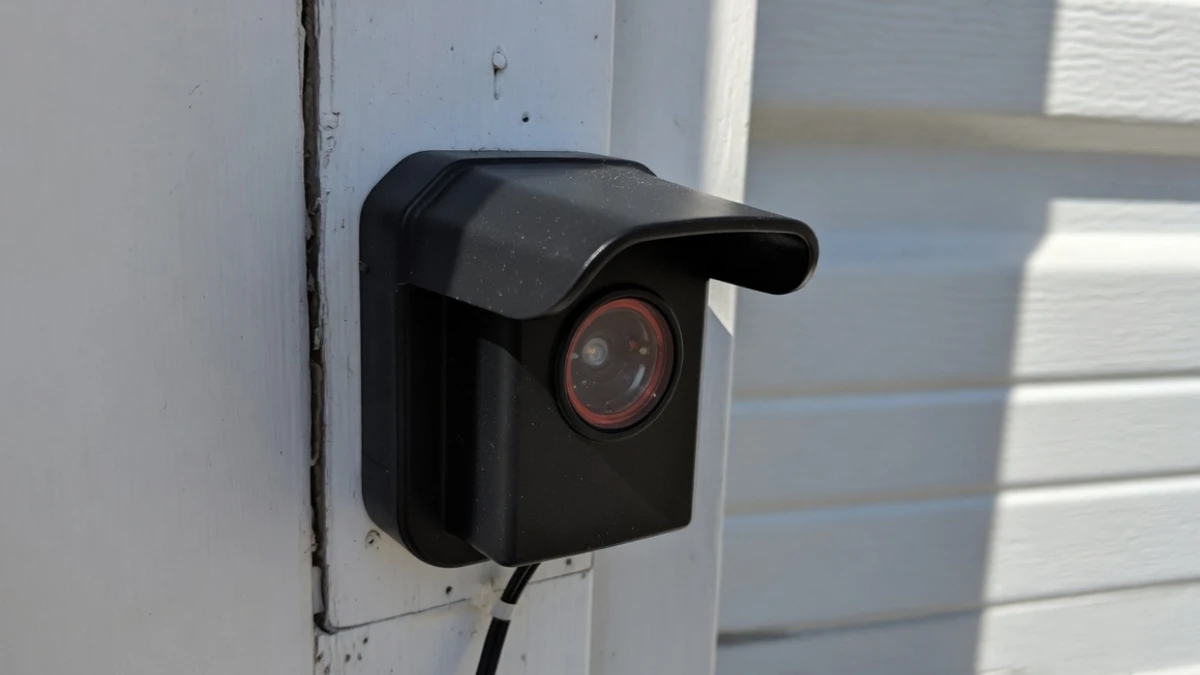
The goal is simple: block harsh light from hitting the receiver lens directly while leaving the sensor beam line clear. A small piece of plastic or a properly mounted shade can do this. The shade should sit above the receiver sensor like a tiny hat.
Once the visor is in place, test closing with the same lighting conditions that used to cause failure.
Step 4: Fix option #2 — micro-adjust the receiver angle (tiny changes)
If glare hits the receiver directly, a tiny angle change can help.
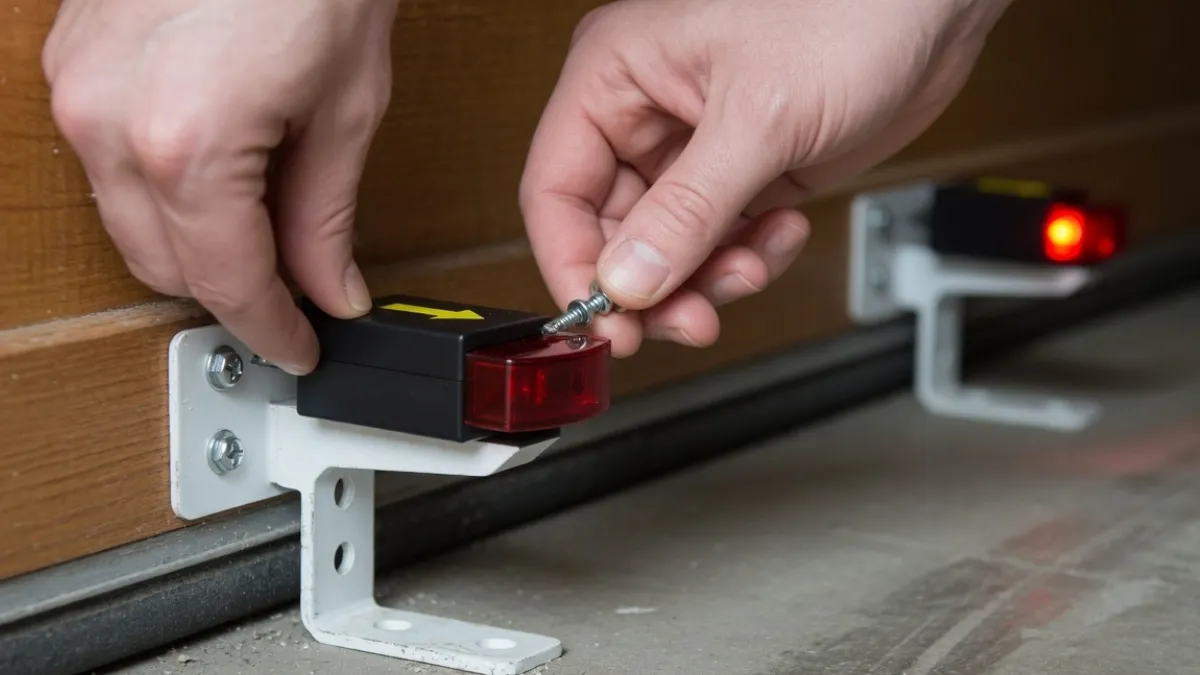
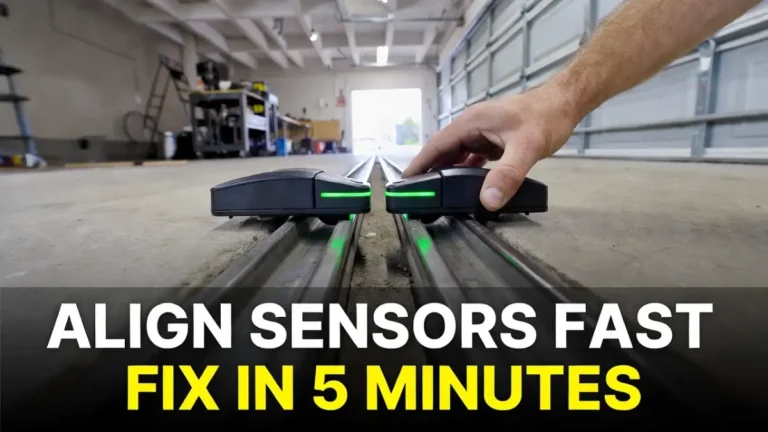
Loosen the receiver slightly, adjust just enough to reduce direct glare exposure, then tighten. Be careful not to over-adjust; you still need the sensors aligned with each other.
This works best when glare is “just barely” causing a failure.
Step 5: Fix option #3 — stabilize brackets and wiring (so the fix stays)
Sometimes glare is only part of the story. If your bracket is loose, the sensor can drift out of alignment and become extra sensitive to glare.
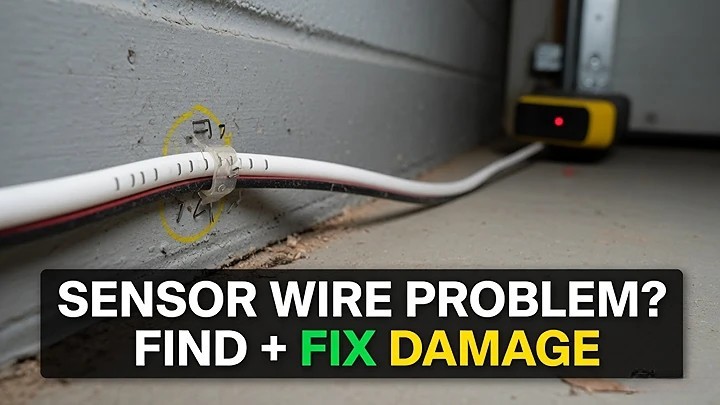
If your alignment “keeps failing,” stabilize the bracket and make sure wiring isn’t pulling on the sensor. A stable sensor plus a visor is a long-term solution.
(Internal link idea: your “alignment keeps failing” post fits perfectly here.)
Step 6: Fix option #4 — adjust external lighting if it’s a floodlight problem
If it’s not car headlights but a floodlight or motion light causing glare, you may be able to:
- angle the light slightly away from the sensor path
- use a softer bulb color/beam pattern
- reposition the light to reduce direct line-of-sight
This can prevent glare without changing sensor position.
When to replace the sensors
Most glare problems don’t require replacement. But if your sensors are older and extremely light-sensitive (and you’ve already tried visor + stabilization), replacement with a compatible newer set can improve reliability.
Replacement is also reasonable if the sensor housing is cracked or moisture-damaged.
FAQs
Can headlights really stop a garage door from closing?
Yes. Strong headlights aimed into the receiver sensor can overwhelm it and mimic a blocked beam.
Why does it only happen at certain times of day?
Because glare depends on sun angle or when headlights/lights are pointed at the sensors.
Is this the same as misalignment?
It can look like misalignment, but it’s triggered by light conditions. The shade test confirms glare vs true alignment problems.
Suggested internal links (add later)
- Garage Door Sensor Sunlight Problem (Afternoon Issue): Why It Happens and How to Fix It
- Garage Door Won’t Close at Night (But Works During the Day): Causes and Fixes
- Garage Door Safety Sensor Blinking Green: Causes and Easy Alignment Fix
- Garage Door Sensor Alignment Keeps Failing: Loose Brackets, Vibration, and Wiring Fixes